There's something revolutionary about growing your own food. Not in a loud, proclamatory way, but in the quiet defiance of reclaiming ancient knowledge in a convenience-obsessed world.
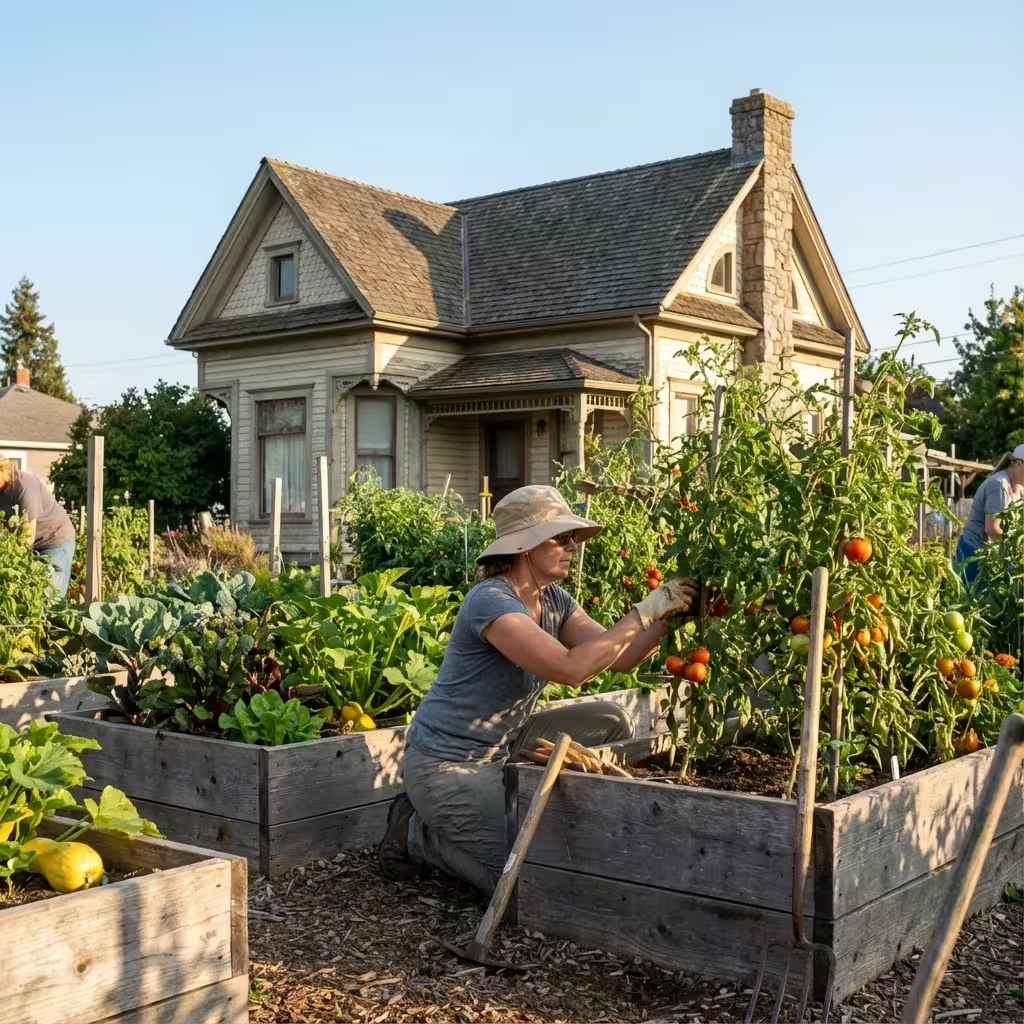
Every spring at SILK Homes, we witness a small miracle. Residents who've never planted a seed in their lives find themselves kneeling in raised garden beds, fingers deep in warm soil, learning to coax life from the earth. The victory gardens—a nod to wartime self-sufficiency—have become gathering places, classrooms, and sources of unexpected abundance.
Maria, a travel nurse from Cleveland, moved into our Ravenswood property last April knowing nothing about gardening. "I killed a cactus once," she laughed. But by August, she was teaching neighbors how to identify tomato hornworms and sharing her cherry tomato surplus with anyone who'd take them. The garden gave her something medication never could: a reason to be present, a connection to seasons, and friendships rooted in shared wonder.
The Rhythm of Seasons
Our gardens operate on a simple principle: we grow what thrives in our climate, share what we learn, and celebrate what we harvest together. No one's required to participate, but few resist the pull once tomatoes start ripening or the first zucchini flowers appear.
Spring means seed-starting parties in common rooms, where experienced growers teach newcomers about soil temperature and hardening off. Summer brings evening watering sessions that turn into impromptu porch conversations. Fall is canning season—kitchens filled with steam, Mason jars lined up like soldiers, and the satisfaction of shelves stocked for winter.
I never understood my grandmother's obsession with her garden until I grew my first tomato. Now I get it. It's not about the tomato—it's about being part of something larger than yourself.
Winter is for planning and dreaming, poring over seed catalogs, and scheming about crop rotation. The cycle continues, and with each turn, roots grow deeper—both for plants and people.
Sharing the Bounty
The real magic isn't in what we grow, but in what we do with it. Our "take what you need, share what you have" philosophy creates a different economy. A resident with too many cucumbers leaves them in the common area. Someone else takes a few and leaves behind fresh-baked zucchini bread. No ledgers, no debts—just generosity flowing naturally.
We've learned that teaching someone to preserve food is teaching them autonomy. When Emma showed three neighbors how to water-bath can tomatoes, she wasn't just sharing a skill—she was passing on food security, self-reliance, and a connection to tradition that's nearly been lost.
Our victory gardens grow more than vegetables. They cultivate patience in a culture of instant gratification. They restore dignity to those who've felt powerless. They create community among strangers. They remind us that we're animal bodies requiring the same things as always: sun, soil, water, and each other.
This isn't romantic agrarianism or back-to-the-land fantasy. Most of our gardeners still work full-time jobs, order takeout sometimes, and buy most of their groceries at the store. But those few tomatoes they grew themselves? Those carry a different weight. They taste like accomplishment, like summer evening light, like proof that you can still make something beautiful in a complicated world.


Bill Henderson
18 Dec 2025Cherokee Purples are worth the patience. Lost half my plants to late blight two years running before I figured out the spacing. Sarah's right—the garden teaches you to try again.
REPLYEmma Clarke
18 Dec 2025The zucchini surplus is REAL. Last August I left bags of them on porches like a vegetable fairy godmother. Nobody asked for zucchini, but everyone got it anyway.
REPLYMaya Chen
19 Dec 2025Growing food changed how I think about time. You can't rush a tomato. You can't control the weather. You just show up, do what you can, and trust the process. Turns out that applies to more than gardening.
REPLYTom Richardson
19 Dec 2025Fixed Jesse's garden hose connection last week. Stayed to help stake his beans. Left with a bag of lettuce. This is how community works.
REPLYDeb Morrison
19 Dec 2025I've been farming for forty years, and watching Jesse learn to grow food has been one of the joys of my life. There's no substitute for getting your hands dirty and making mistakes. He's doing it right.
REPLYRachel Kim
20 Dec 2025Killed three basil plants before admitting I was overwatering. Sarah patiently explained that basil likes to dry out between waterings. Now I have more basil than I know what to do with. Learning curve achieved.
REPLY