


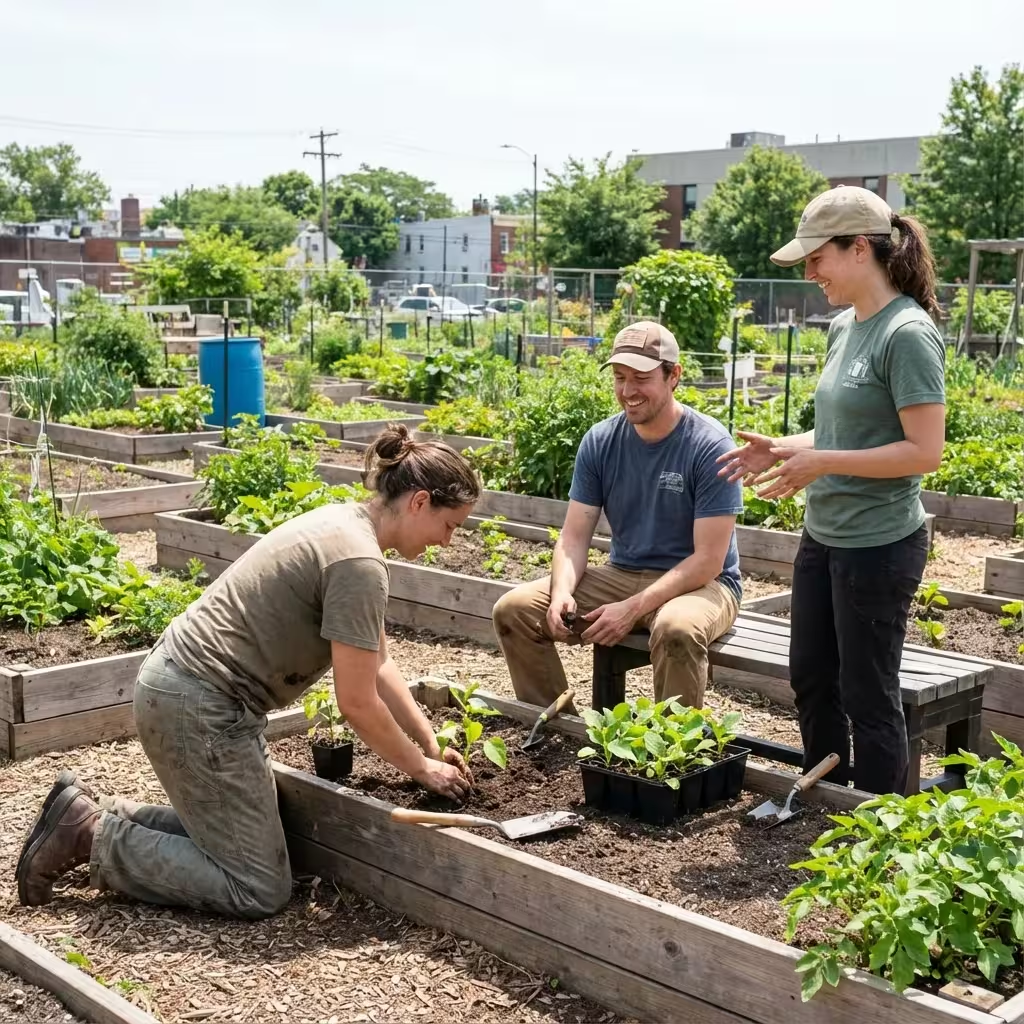
On a quarter-acre plot in Parkersburg, something remarkable happens every Saturday morning. Neighbors who might otherwise pass with polite nods gather with soil under their fingernails, sharing tomato starts and life stories. This is where community takes root—literally and figuratively.
The SILK Homes community garden began modestly three years ago. A few residents with gardening experience proposed converting an underutilized lawn into raised beds. The idea met enthusiasm—and skepticism. Would people actually show up? Would the garden become neglected like so many well-intentioned projects? Could vegetables really bring a community together?
The answer, unequivocally, is yes. What started as eight beds and a dozen committed gardeners has expanded to twenty-four beds serving over forty households. But the garden's impact can't be measured in square footage or pounds of produce. Its real harvest is connection. "I moved here knowing no one," shares gardener Angela Martinez. "Now I have friends who know my favorite heirloom tomato varieties and the names of my grandchildren. The garden gave me belonging."
Gardens are the great equalizer. PhD or high school dropout, executive or artist—everyone's a beginner when it comes to nurturing life from soil.
The knowledge sharing happens organically. Experienced gardeners mentor newcomers on everything from soil amendments to pest management. Children learn where food comes from—a revelation in an age of supermarket ubiquity. "My daughter thought carrots grew in plastic bags," laughs parent Tom Williams. "Watching her pull her first carrot from the earth, her eyes went wide. She gets it now. Food is grown, not manufactured."
Saturday work parties have become beloved rituals. Residents arrive with coffee and tools, spending mornings weeding, planting, and planning. The conversation flows as freely as the compost. Political differences that might create tension in other contexts dissolve in shared purpose. There's something about working side-by-side in the dirt that strips away pretense. You can't maintain airs when you're wrestling with stubborn dandelions.
The garden operates on principles of generosity and mutual support. Harvest is shared—when someone's zucchini plants produce prolifically, the surplus goes to neighbors. Community dinners feature garden ingredients, celebrating the literal fruits of collective labor. A lending library of gardening books and tools ensures everyone has access to resources. Nobody keeps score. The abundance mindset that governs the garden extends into other areas of community life.
Challenges exist, of course. Deer discovered the garden in year two, decimating entire crops overnight. The community responded collaboratively, pooling resources for fencing. A late spring frost one year killed tender transplants. Gardeners commiserated, shared backup seedlings, and learned to wait longer before planting. These setbacks became opportunities for problem-solving together, reinforcing the bonds that make community resilient.
Perhaps the garden's greatest gift is its lesson in patience and acceptance. You can't rush tomatoes. You can't force lettuce to thrive in July heat. The garden teaches surrender to forces beyond control—weather, seasons, the mysteries of germination. In a culture obsessed with instant gratification and total control, the garden offers a different wisdom: show up, do your part, and trust the process. Some years the tomatoes fail. Some years they're glorious. Both teach something valuable.
As autumn approaches each year, the garden transitions into cover crops and reflection. Gardeners save seeds for next season—not just botanical seeds, but the seeds of friendship, knowledge, and community that will sprout again when spring returns. The SILK Homes garden proves what indigenous peoples have known forever: when we tend the earth together, we tend each other. And in that tending, we all grow.
22 COMMENTS




Angela Martinez
15 Dec 2024This brought tears to my eyes. The garden truly has given me a sense of belonging I never expected. Saturday mornings are sacred now.
REPLYTom Williams
15 Dec 2024My kids have learned so much from the garden. It's not just about vegetables—it's about community, patience, and caring for something bigger than yourself.
REPLYBill Henderson
15 Dec 2024Been tending soil for fifty years, and I'll tell you this—the best thing about the garden isn't the tomatoes. It's watching neighbors become friends over a row of beans. That's the real harvest.
REPLYSarah Mitchell
15 Dec 2024The garden taught me to slow down. You can't rush growth. My three chickens love the vegetable scraps, and I love the rhythm of tending something that doesn't demand instant results.
REPLYTom Richardson
16 Dec 2024Showed up on a Saturday to fix the broken gate. Stayed for the company and the coffee. Garden has a way of pulling you in.
REPLY