
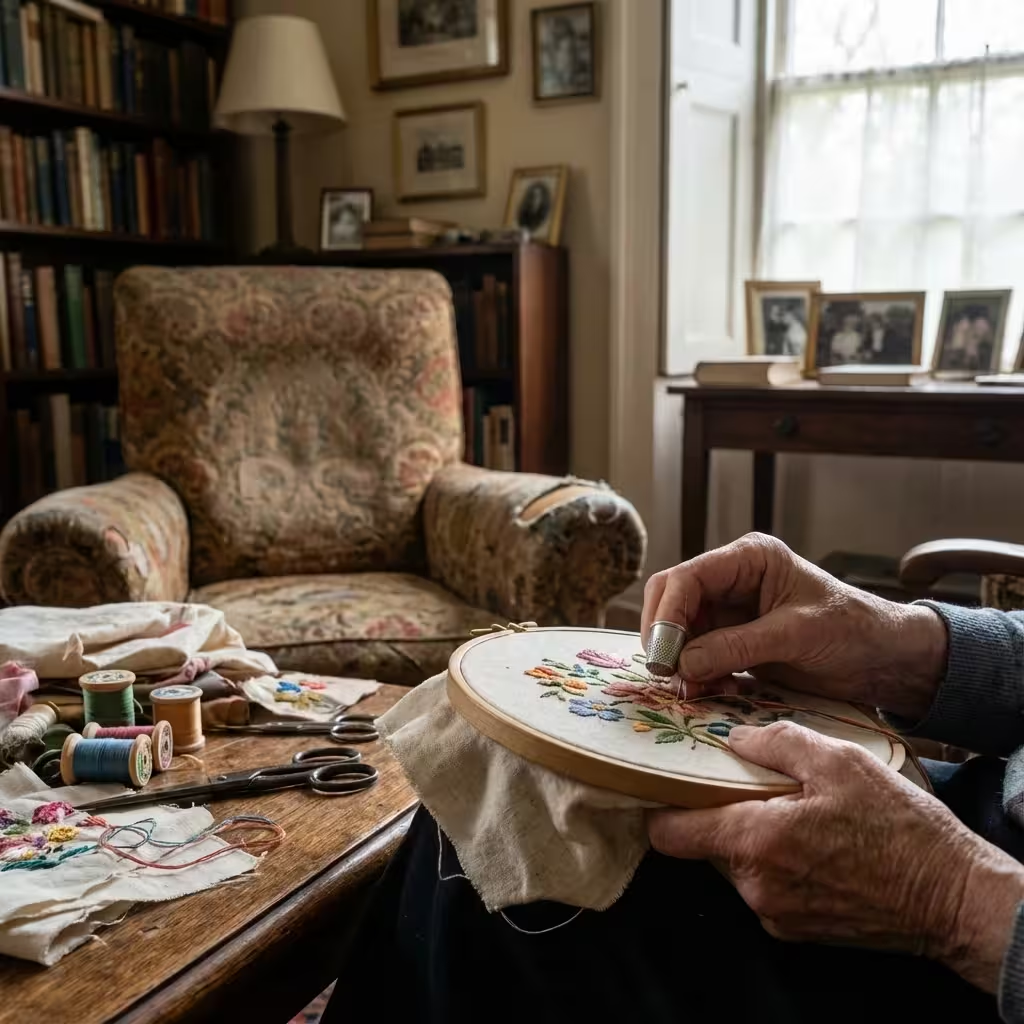
I found the embroidery hoop at a thrift store in Parkersburg, tucked between mismatched dish sets and somebody's old VHS collection. It was wooden, about six inches across, with the screw rusted but still functional. Two dollars. I bought it because it reminded me of my grandmother's hands.
I didn't know what I was going to do with it. I'd never embroidered anything in my life. My grandmother tried to teach me once when I was twelve, but I was impatient then. I wanted things to be done, not to take time. Now I'm twenty-eight, and I understand why she moved so slowly with her needle.
I started with simple stitches. Running stitch. Back stitch. Things I learned from YouTube videos in my Ravenswood kitchen while dinner cooked. The first thing I made was terrible—a crooked line of red thread on white cotton that was supposed to be something but ended up being nothing. I kept it anyway.
Sam saw me working on it one evening when he stopped by to fix my leaky faucet. "What's that?" he asked. I told him I didn't know yet. He nodded like that made sense.
The thing about embroidery is you can pull out your mistakes. Unlike most things in life, you get to go back and redo the parts that didn't work.
I started making pieces about things I couldn't talk about. Grief. Anxiety. The way I felt disconnected from my own life sometimes. I stitched those feelings into fabric with colors I chose because they felt right, not because they matched. Dark blues for the heavy days. Bright yellows for moments of unexpected hope. French knots for all the things I wanted to say but couldn't.
Emma asked if I'd show some of my pieces at the informal gallery night Jacob was organizing. I almost said no. These weren't meant for other people. They were just mine, stitched in my kitchen while the radiator hissed and the Ohio River fog pressed against the windows.
But I brought three pieces anyway. Small ones, mounted in cheap frames from the dollar store. I didn't explain them. People looked at them quietly. Jesse stood in front of one for a long time—the one about my mother, all grays and deep reds—and then just said, "Yeah." That was enough.
Jordan asked me later if I'd taken a class. I told her no, I just started doing it. She looked surprised. "It's so deliberate," she said. "Every stitch feels like it means something." I didn't tell her that every stitch does mean something. That's the whole point.
I embroider most evenings now. Sometimes I know what I'm making when I start. More often, I just choose a color and begin stitching, and the meaning shows up in the doing. Sarah came by once and watched me work for an hour without saying much. When she left, she said, "It's like meditation, isn't it?" I told her it's more like conversation. With myself. With thread.
I'll never be the kind of person who's good with words. I stumble through explanations. I rehearse conversations in my head that never sound right out loud. But I'm learning that there are other ways to speak. Other ways to tell the truth about what it feels like to be alive. For me, it's thread. Small stitches. Colors that mean more than they should. A voice I found in my grandmother's craft, in my kitchen, in the quiet space between what I feel and what I can say.
4 COMMENTS


Elena Martinez
Dec 2024The studio time mentioned here resonates deeply. Some nights after my ER shift, I go straight to the pottery wheel. Clay doesn't judge tired hands.
REPLYNathan Cross
Dec 2024This patience described here—it's the same whether you're working wood or canvas. You can't rush good work. The material teaches you if you listen.
REPLYRachel Kim
Dec 2024I started taking Polaroids because I wanted to slow down. One shot, one chance. This article captures that same intentionality I seek in my own creative practice.
REPLYBen Okafor
Dec 2024Every time I document our artists at work, I'm struck by the focus and presence. It's meditation through making. This piece honors that beautifully.
REPLYEmma Clarke
Dec 2024I know at least three of the artists referenced here! Their dedication to their craft inspires me daily. This is what makes our valley special.
REPLY