
I met Jacob Spencer on a Thursday at 6:15 AM in Ravenswood, watching him guide a small group through Kundalini breathwork in the upstairs room of the old Masonic building. Tattooed, soft-spoken, with a background in construction work, he didn't fit my image of a yoga instructor. But after sitting in on his class, I understood why people drive from three counties away to practice with him.
Jacob's journey to Kundalini didn't start with spiritual seeking. It started with pain.
"I was 32, couldn't tie my shoes without wincing, and conventional medicine just kept prescribing stronger painkillers," he told me later over coffee at Maya's kitchen. "A coworker suggested yoga. I laughed at him. Two weeks later, desperate, I showed up to a Kundalini class in Parkersburg."
That was eight years ago. Today, Jacob lives in a 1893 Victorian cottage on River Road and leads Kundalini sessions at SILK Yoga, guiding students through practices that work with the body's subtle energetic systems—chakras, nadis, and the dormant Kundalini energy believed to rest at the base of the spine.
His approach is pragmatic. "Whether you believe in chakras or not," he explains, "the practices work. The breath techniques calm the nervous system. The movements release held tension. The meditations quiet the mind. You don't need faith in mystical energy—you just need to show up and breathe."
What Is Kundalini Awakening?
In yogic philosophy, Kundalini is dormant spiritual energy coiled at the base of the spine. Through specific breath work, movement, meditation, and chanting, this energy can be awakened and guided upward through the chakras, leading to expanded consciousness and profound transformation.
That sounds woo-woo, I know. But here's the thing—whether you believe in chakras or not, the practices work. The breath techniques calm the nervous system. The movements release held tension. The meditations quiet the mind.
His pragmatic approach attracts students who might otherwise dismiss energy work as too mystical. In his Thursday morning class, I watched a retired coal miner, a hospital nurse, and a college student all moving through the same breathwork sequence—panting like bellows, eyes closed, completely absorbed.
The Practice Itself
A Kundalini session with Jacob typically includes:
- Pranayama (breath work) to activate energy channels—often intense, physical breathing patterns
- Kriyas (specific movement sequences) designed for particular effects—repetitive, sometimes exhausting
- Mantra or chanting to focus the mind—he explains the meaning before asking anyone to chant
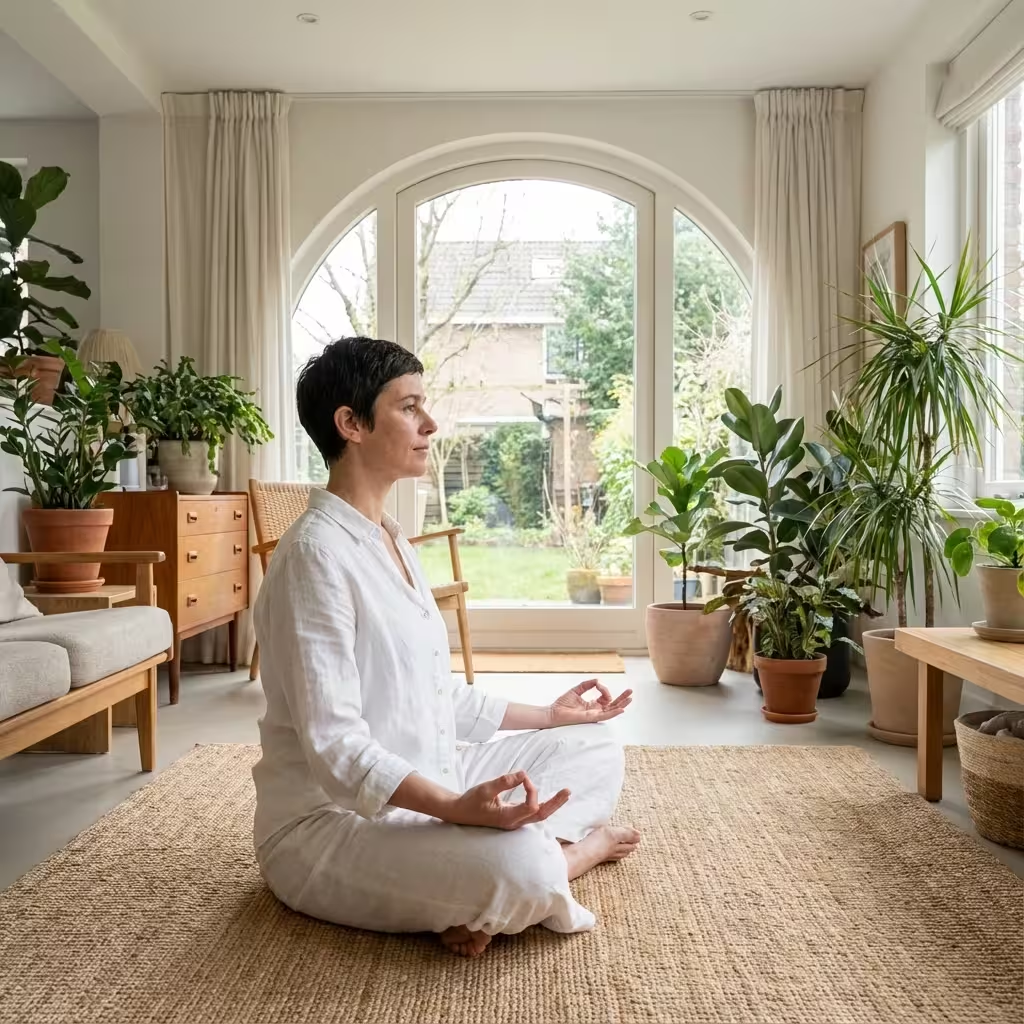
- Meditation, often prolonged and intense—20 minutes of stillness after vigorous movement
- Deep relaxation to integrate the practice—lying still while the body processes what just happened
It's demanding work. Students sometimes experience intense physical sensations, emotional releases, or altered states of consciousness. Jacob emphasizes going slowly, respecting boundaries, and always maintaining agency to modify or pause.
"This isn't about pushing through or conquering yourself," he tells his students. "It's about creating conditions for transformation and then getting out of the way. The body knows what it needs. Our job is to listen."
During my visit, one woman began crying during the meditation portion. Jacob simply placed a tissue box within reach and continued the session. Afterward, I asked him about it.
"Happens all the time," he said. "Kundalini can bring up whatever's stored in the body—grief, joy, fear, ecstasy. I'm not a therapist. I just hold space and make sure everyone feels safe to have their experience."
Energy and Consciousness
What makes Jacob's teaching compelling is his willingness to acknowledge both mystery and mechanism. He'll explain vagal nerve activation in one breath and speak of prana flow in the next, seeing no contradiction. Science and spirit inform each other in his view.
"I've felt things in deep Kundalini practice I can't fully explain," he admits. "Overwhelming energy moving up the spine. Visions. Profound unity experiences. Are those neurological events or spiritual awakenings? Maybe both. Maybe the question misses the point."
His students report varied experiences—some describe energy sensations like electricity or heat moving through the body, others simply notice they sleep better and handle stress more skillfully. Jacob considers all of it valid.
Iris Yamamoto, who's been practicing with Jacob for three years, told me: "I came because I couldn't quiet my mind. Jacob taught me I didn't need to. I just needed to notice it, breathe through it, and let the energy move. My acupuncture practice completely changed after I started Kundalini."
Finding Your Own Way
For a practice sometimes shrouded in mystique and warnings about "premature awakening," Jacob's teaching is refreshingly grounded. Yes, work with the subtle body's energy. Yes, approach with respect. But also yes, trust your direct experience over any authority's claims.
"I don't want followers," he said as we walked out into the December morning. "I want people who show up, do the work, and figure out what's true for themselves. The practice doesn't belong to me or any tradition. It belongs to whoever's willing to sit down and breathe."
The awakening, it turns out, isn't dramatic fireworks but a gradual coming home to yourself—energy, breath, and awareness finally in alignment. And in a drafty Masonic hall in Ravenswood, West Virginia, that's exactly what's happening every Thursday at 6:15 AM.
8 COMMENTS



Iris Washington
13 Dec 2024Jacob's approach to energy work is exactly what I needed. No mystical dogma, just honest practice and real results. My Wednesday meditation group talks about this all the time.
REPLYGrace Kim
13 Dec 2024The combination of science and spirit in Kundalini practice has completely transformed how I understand my body. Thank you for sharing Jacob's story.
REPLYClara Chen
14 Dec 2024I've been practicing with Jacob for two years. His teaching is grounded, respectful, and transformative. Highly recommend his classes at SILK Yoga.
REPLY